


Up to 20%
higher referral conversion
2+ hrs
saved daily on coordination
50%
lower operational costs
Why So Many Referrals Never Become Patients
Behavioral health has one of the highest referral leakage rates in healthcare. Referrals from PCPs and ERs slip away before anyone connects with the patient.

Referrals by phone and fax
Most referrals still arrive by phone or fax, unstructured and easy to miss without a manual log.

Slow response loses the patient
Referred patients need contact within a day or two, and manual intake rarely moves that fast.

No matching workflow
Matching a referral to the right clinician by specialty, panel, and availability falls on busy staff.

No referral visibility
Most clinics can't see how many referrals came in, from where, or how many are still pending.

The AI admissions coordinator made for behavioral health
Sarah turns inbound referrals into booked patients. She captures every referral, verifies insurance, matches the patient to the right clinician, and texts them to schedule, working with Emma and Eric so nothing is re-entered.

Captures every referral from phone, fax, web, and email, and creates the chart automatically.

Verifies insurance and matches the patient to the right clinician at capture.

Texts referred patients a booking link so they don't disengage waiting.

Gives leadership real visibility into the referral pipeline.
HIPAA-compliant • No card required

From Inbound Referral to Booked Patient
Sarah covers the full referral workflow, from capture to a scheduled, intake-ready appointment.

Capture
Logs every referral from phone, fax, web, and email, and creates the patient chart automatically.

Insurance
Checks eligibility and benefits at the referral stage, so you only pursue patients you can see.
Matching
Matches each referral to the right clinician by specialty, insurance panel, and availability.
Outreach
Texts the referred patient a booking link within minutes, so they don't disengage.
Scheduling
Books the appointment and sends intake forms before the first visit.
Pipeline
Shows referral volume and status in one place, so nothing sits pending.
Why mdhub, Not Manual Referral Handling
Manual referral handling loses patients in the gaps. mdhub captures every referral and moves it to a booked appointment automatically.
Capability
Captures phone and fax referrals
Insurance checked at capture
Patient contacted by text fast
Matched to the right clinician
Referral pipeline visibility
Built for behavioral health
mdhub
Every channel, logged instantly
Yes, before you invest time
Within minutes, automatically
Yes, by panel and availability
One live dashboard
From the ground up
Manual handling
Easy to miss, no log
Discovered too late
Hours or days, if at all
Manual staff coordination
Spreadsheets at best
General medicine first
Capture
Every referral is logged instantly, by phone, fax, web, or email, and a patient chart is created automatically.
Verify
Insurance eligibility is checked at the referral stage, so you only invest time in patients you can actually see.
Reach out
Sarah texts the referred patient a booking link and matches them to the right clinician, so they don't disengage.
Track
Every referral and its status flows into one pipeline, so leadership can see volume and what is still pending.
Referrals That Actually Become Patients
AI for us has been an additive to the organization. It didn't change who we are or our mission. It just enabled us to serve the community more largely.
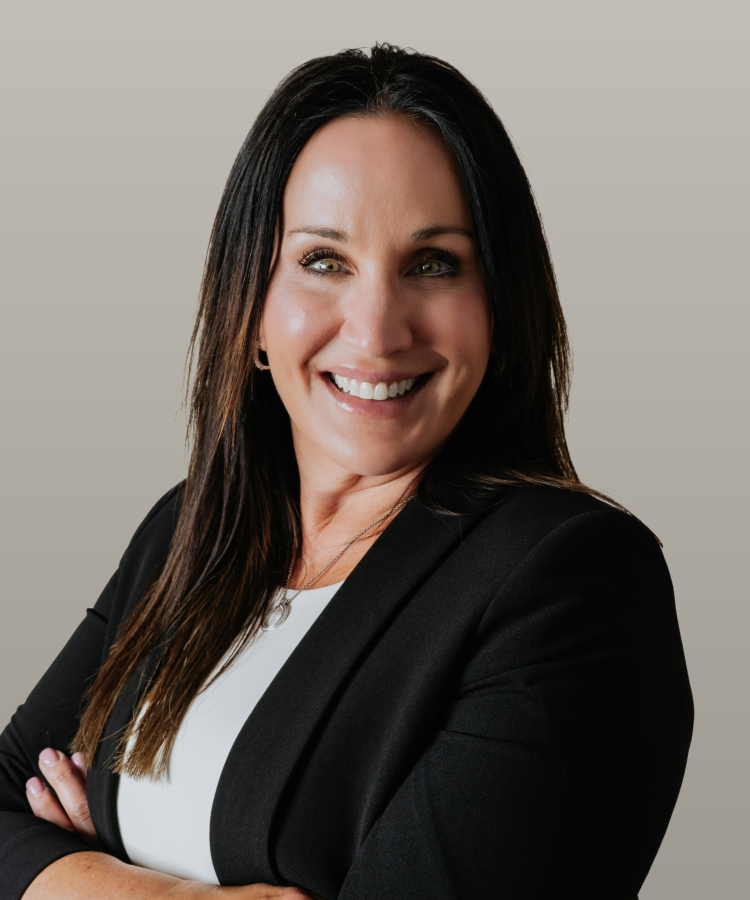
Bree Rondina, Chief Performance Officer, Elite DNA Behavioral Health
We were losing a chunk of our PCP referrals because follow-up took too long. Sarah texts referred patients within minutes, and far more of them book.

Clinical director, outpatient behavioral health
We finally have visibility into where our referrals come from and which ones are still pending. Nothing falls through the cracks now.

Operations lead, community mental health center
Behavioral Health Referral Management FAQ
What is behavioral health referral management software?
It is the software a behavioral health practice uses to capture incoming referrals and turn them into booked patients. mdhub does this with Sarah, who logs every referral, verifies insurance, matches the patient to a clinician, and texts them to schedule.
How does mdhub capture referrals?
Sarah captures referrals from phone, fax, web forms, and email. She reads the referral, creates the patient chart automatically, and starts the booking process.
Does mdhub reach out to referred patients?
Yes. Sarah proactively texts referred patients a booking link within minutes, so they schedule before they disengage.
Does mdhub check insurance on referrals?
Yes. Eligibility and benefits are checked at the referral stage, so your team only invests time in patients you can actually see.
Can I see where my referrals come from?
Yes. Every referral and its status flows into one pipeline, so leadership can see referral volume and what is still pending.
Is mdhub HIPAA compliant?
Yes. mdhub is HIPAA compliant and SOC 2 Type II certified, with a Business Associate Agreement included.
Does mdhub work as patient referral management software?
Yes. mdhub works as patient referral management software, healthcare referral management software, and mental health referral software for behavioral health and mental health practices, handling capture, matching, scheduling, and pipeline visibility in one platform.